Foster Daughter Returns After 18 Years in Emotional Reunion
The doorbell rang on an ordinary Sunday afternoon, and Margaret almost didn’t answer it. On the porch stood a young woman with a nervous smile and something tucked inside her coat. Eighteen years after losing her foster daughter, Margaret was about to learn that some goodbyes are not as final as they seem.
A Life That Moved to Music
Long before she ever met her foster daughter, Margaret believed music could make any problem lighter. In her twenties, she was winning dance competitions. By thirty, she was performing professionally and living the life she had worked toward for years.
Then, at thirty-two, a knee injury took the stage away from her for good.
Her husband, Daniel, suggested she teach. She joked that the only thing she could teach now was how to fall gracefully. He gently answered that maybe she could teach people how to get back up.
So she opened a dance studio. For years, she loved every minute of it.
But there was another dream that dancing couldn’t fill. Margaret had always adored children and longed for one of her own. She and Daniel tried for years, yet she never became pregnant.
One evening, Daniel took her hand and asked a question that would change their lives. What if they became foster parents? Margaret worried their hearts had already been through too much. Daniel reminded her that they still had a home, and they still had love to give.
The Little Girl Who Never Unpacked
Three months later, an eight-year-old girl named Ivy stood on their doorstep. She carried a duffel bag and a plastic grocery bag stuffed with clothes.
Margaret introduced herself warmly and offered to show Ivy her new room. The girl nodded, but she stopped at the bedroom door. She asked whether she was really allowed to sleep in that bed, and then, more quietly, for how long.
Margaret glanced at Daniel. Then she told their new foster daughter that the bed was hers for as long as she was there.
Ivy didn’t unpack. In those first weeks, the shy foster daughter asked permission for everything, from opening the refrigerator to sitting on the couch.
One evening, she knocked over a glass of water and dropped straight to her knees. She apologized again and again while scrubbing the floor. Margaret told her to stop, that it was only water.
Ivy asked if she was mad. When Margaret said she wasn’t even a little upset, the girl stared at her as if she had never heard those words before.
Every night, Ivy packed her clothes back into the duffel bag. She was always ready to leave.
When a House Slowly Became Home
Change came slowly. One day, Ivy called out asking where her crayons were, then her shoes. Margaret told her the crayons were under the couch and the shoes were wherever she’d left them.
Daniel grinned. Their foster daughter finally knew this was her home.
Another night, Ivy stomped upstairs because Daniel wouldn’t let her watch TV past bedtime. She declared it totally unfair and slammed her bedroom door. Daniel turned to Margaret with a huge smile and said she was finally being annoying.
Margaret laughed until she cried. For a child who once apologized for spilled water, a slammed door meant she finally felt safe.
The Kitchen Dance That Changed Everything
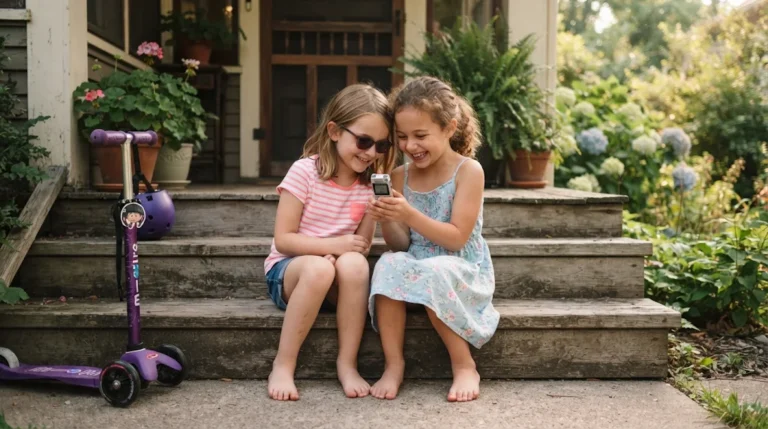
The real turning point happened in the kitchen. Margaret was dancing to an old song while cooking dinner when she noticed Ivy watching from the doorway.
She invited the girl to try. Ivy shook her head and said she couldn’t dance. Margaret teased that Daniel couldn’t either, which earned a loud protest from her husband.
Margaret held out her hand and asked for just one step. Ivy worried about doing it wrong. Margaret promised that if she did, they would simply invent a new dance.
Ivy hesitated, then took her hand. She asked if she was doing it right, and Margaret told her it was perfect. When Ivy cried out that she would fall during a turn, Margaret promised she had her. The little girl stumbled into her arms, laughing.
From that night on, dancing became their ritual. After dinner, Ivy would ask if it was music time. Margaret would say only if homework was finished. Ivy called it blackmail. Margaret called it parenting.
For Margaret, these evenings with her foster daughter brought back a joy she thought she had lost with her career.
One night, Ivy asked a question that stayed with Margaret for years. She wanted to know whether families could stay together forever. Margaret said sometimes they could. Then Ivy asked if theirs could.
Margaret held her tighter and said she hoped so. Unfortunately, hope was not enough.
The Phone Call No Foster Parent Wants
Eleven months after Ivy arrived, the caseworker called. Ivy’s relatives had been found, and they had been approved to take her.
Margaret argued that their foster daughter was happy in their home and asked whether that counted for anything. The caseworker said it did, but the decision had already been made. When Margaret asked about staying in touch, she was told it would be discussed with the relatives.
When they told Ivy, she stared down at the kitchen table and asked only one thing: when. Next Friday, Daniel told her.
That night, her clothes went back into the duffel bag.
A Foster Daughter’s Heartbreaking Question
Two evenings before the move, Margaret found Ivy sitting beside her packed bag. The girl asked if she was being sent away because she had been bad.
Margaret felt her heart nearly stop. Ivy kept going through her list. Was it because she yelled at Daniel? Because she broke the blue cup?
Margaret told her no, again and again. Then Ivy’s eyes filled with tears, and she asked why she couldn’t stay.
Margaret pulled her foster daughter close and promised she had done nothing wrong. Ivy said she didn’t want another house. She wanted this one. Margaret couldn’t answer without crying.
On their last evening together, Ivy asked for their song. They danced slowly in the kitchen. Ivy whispered for Margaret to promise she wouldn’t forget the song, and then to promise she wouldn’t forget her. Margaret promised both.
The next morning, Daniel carried the duffel bag to the car. Ivy hugged him, then wrapped both arms around Margaret. They traded one last whispered I love you.
And then she was gone.
Eighteen Years of Silence
For several months, updates came through Ivy’s relatives. Then they stopped. Margaret and Daniel asked for news, but nothing came back.
Eventually, they lost all contact with their foster daughter. As the years went by, they stopped hoping they would ever hear from her again.
What Margaret rarely talked about was what the loss did to her. She kept teaching at her studio, but every time an eight-year-old girl walked through the door, her heart jumped.
One afternoon, a little student asked her to teach a spin, then asked what would happen if she fell. Margaret froze. Her foster daughter had asked those exact words in their kitchen. She forced a smile and asked another instructor to finish the lesson.
After that, even walking into the studio felt hard. Her assistant often caught her staring into space. Slowly, Margaret began canceling performances and handing her classes to others.
At home, Daniel suggested they go dancing. She said her knee hurt. He suggested they just listen to music. She said she was tired. He pointed out that she hadn’t played a single song in weeks.
Closing the Door on Dancing
Three years after Ivy left, Margaret closed her studio for good.
Daniel reminded her that she loved teaching. She corrected him: loved, past tense. He asked whether she was truly finished with dancing, or simply afraid to love something she might lose.
Margaret finally admitted the truth. Every child she taught reminded her of her foster daughter, and every time, she lost Ivy all over again.
She packed her competition photos into boxes and stored them in the attic. Even her wooden box of old medals had disappeared. She assumed it had been misplaced during the studio move. After a while, she stopped looking for it.
Years passed. Margaret stopped expecting Ivy, or her old life, to ever return.
The Knock on a Quiet Sunday
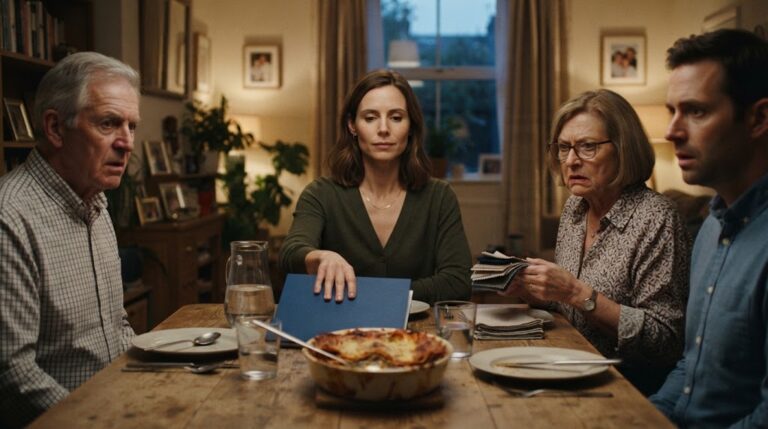
Last Sunday, at fifty-eight, Margaret was washing dishes when the doorbell rang. A young woman stood on the porch, smiling nervously, and greeted her by name.
Something about the stranger’s eyes made Margaret catch her breath. She asked if they knew each other. The woman said she hoped so, and then she gave a familiar, crooked smile.
Margaret whispered Ivy’s name. The young woman nodded, already in tears.
Margaret pulled her into her arms. Ivy admitted she hadn’t been sure she would be recognized. Daniel came to the door, stopped mid-sentence, and said her name too. Then he hugged her and joked that she had certainly gotten taller.
Inside, their long-lost foster daughter looked around and noticed they still had the same kitchen table. Margaret explained that Daniel refused to replace it, and Daniel insisted it was a perfectly good table. Ivy touched one chair and remembered sitting there to draw. Margaret added that she also used to sit there and complain about vegetables.
Ivy told them she had her own apartment now. She and her aunt had moved around a lot, but she had finished school. Margaret told her she was proud of her.
But every few minutes, Ivy touched the inside pocket of her coat.
The Wooden Box Hidden for 18 Years
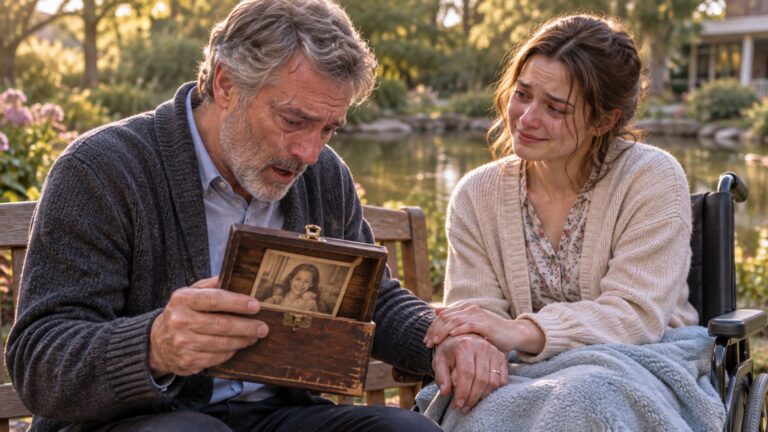
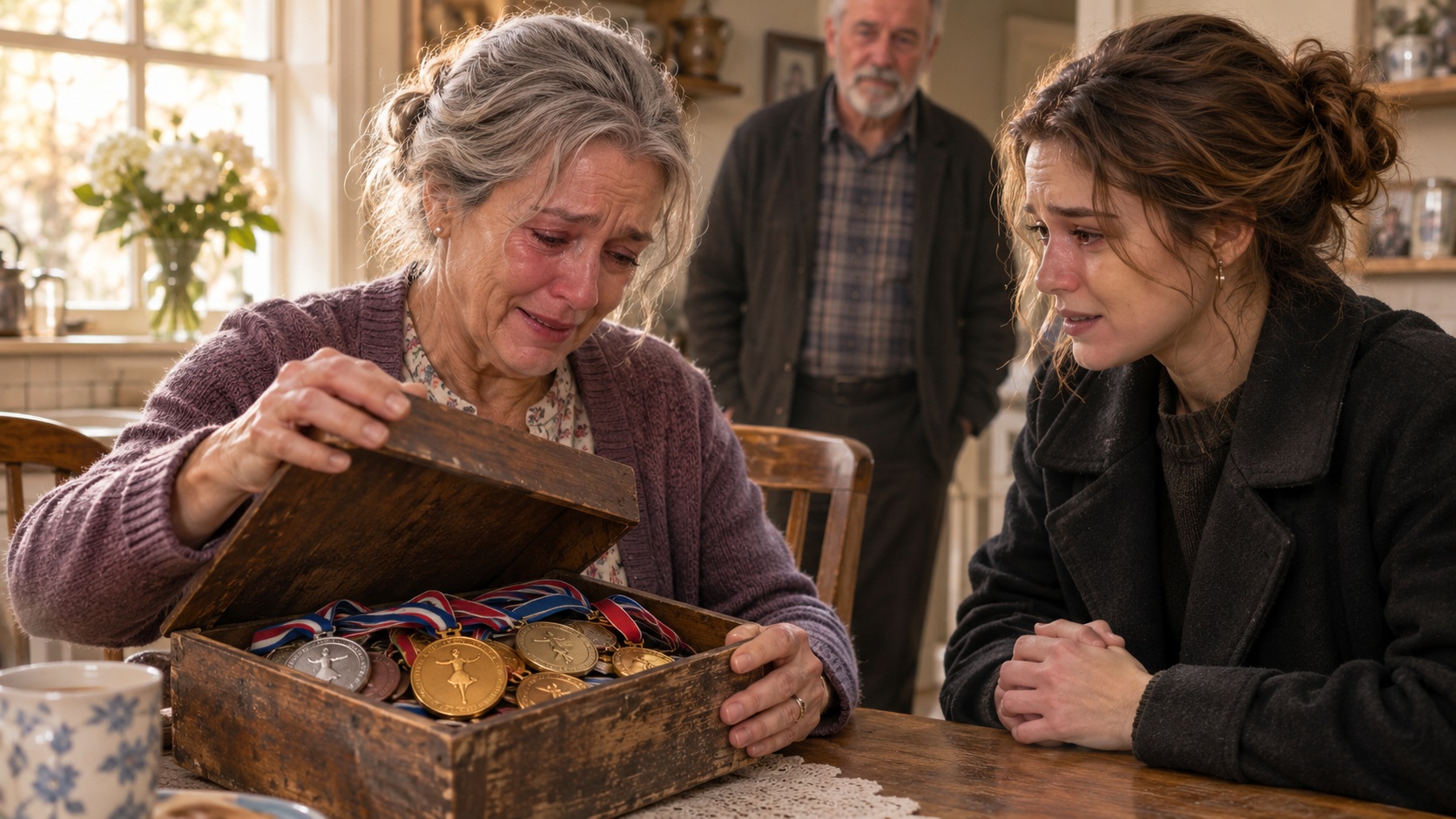
Finally, Margaret asked if something was wrong. Ivy said no, then admitted there was a reason she had come. She stood and pulled out a wooden box.
Margaret recognized it instantly. It was the box of medals she had searched for all those years ago.
Ivy set it on the table and confessed she had taken it the night before she left. She had hidden it under her clothes in the duffel bag, terrified Margaret would find it first.
Daniel leaned forward in surprise. Ivy explained that as a child, she believed that if she kept something important from this house, she would always have a reason to come back.
Her voice shook as she went on. As she grew older, she realized she had stolen it, and she felt ashamed. She kept promising herself she would return it. Then she slid the box across the table and said it belonged to Margaret.
Margaret slowly lifted the lid. Inside were dozens of medals, gold, silver, and bronze, from competitions she had nearly forgotten.
She picked up a gold medal, and Daniel smiled sadly as he recognized her first national championship.
As a young foster daughter, Ivy had watched Margaret polish those medals. Margaret had told her every medal had a story. When Ivy once asked if the bronze ones meant she was terrible, Margaret said they meant she’d been brave enough to compete.
Why a Foster Daughter Kept a Stolen Treasure
Margaret asked why Ivy had taken the medals instead of something of her own. Ivy said it was because they mattered to Margaret. She had hoped Margaret would notice right away and maybe come looking for her.
Margaret whispered that she had never imagined Ivy had taken them. After Ivy left, she could barely look at anything that reminded her of dancing.
Ivy lowered her eyes. When no one came, she promised herself she would find them when she grew up.
Margaret gently asked why it had taken eighteen years. Ivy explained that when she was little, her aunt didn’t allow contact. Later, they moved, and she lost the address. She admitted she had actually found it almost a year ago, but she was afraid Margaret had forgotten her, or would never forgive her for the medals.
Margaret asked what had changed. Ivy said she realized she was still that scared little girl, waiting for someone else to make the first move, and she didn’t want to be her anymore.
Margaret told her they had never stopped thinking about her. Daniel reached across the table and added that they hadn’t, not once.
The Promise Written in a Child’s Handwriting
Ivy said she had thought about them too, especially during the hard times. Her aunt tried, but they moved often. What kept her going was Margaret’s lesson about being brave enough to try.
Margaret asked if she had kept dancing. Ivy laughed and said she had become a dance instructor. She had even opened her own small studio.
Margaret nearly dropped the medal. Her foster daughter had become a teacher, just like her. Daniel clapped his hands in delight.
Then Ivy reached into the box again. She pulled out a folded sheet of paper covered in childish handwriting on both sides. Across the top were three words: Our Dream List.
Margaret laughed softly. They had made it after watching a movie about wishes, when she told Ivy that everyone should have something to dream about. The list included getting a puppy, eating ice cream for breakfast, and learning to do five spins without falling.
The last line made Margaret’s eyes blur. Ivy had written that when she grew up, she would buy them a house where nobody had to leave. She reminded Margaret that she had helped her spell “nobody.”
Ivy took a deep breath. She said her studio was meant to be that house.
A Studio Where Nobody Has to Leave
Ivy explained that she wanted a place where children could walk in without feeling like visitors. A place where they would belong.
Margaret asked if she taught foster children. Ivy said most of them came at a discount, and some attended for free. Some barely spoke when they first arrived.
Margaret whispered that they sounded just like the quiet foster daughter who once asked permission to sit on her couch.
Then Ivy admitted she was struggling. Rent, insurance, and equipment costs were piling up, and the discounted classes didn’t cover them.
Margaret immediately reached for her purse and asked how much she needed. Ivy stopped her. She hadn’t come for money.
She had come for Margaret.
Ivy said she needed a partner, someone who knew how to teach and build a studio. Margaret protested that she hadn’t taught in eighteen years and wasn’t sure she still could. Ivy reminded her that she had once taught a frightened little girl to take her first step.
Margaret couldn’t speak. Then Ivy added that a room was already waiting for her at the studio. She had prepared it, hoping Margaret would say yes.
Daniel suggested Margaret should at least go see it. Margaret looked at the medals, then at the young woman across the table. She said she wasn’t promising anything, but she would like to visit tomorrow. Ivy’s smile returned.
The Fear That Stole 18 Years
That night, after their foster daughter left, Daniel took Margaret’s hand. He quietly reminded her that he had lost Ivy too. Then he had watched his wife lose the thing she loved most.
Margaret confessed she wasn’t sure she could be that woman again. Daniel said she didn’t need to be. She just shouldn’t let fear take another eighteen years from her.
One Small Step, All Over Again
The next morning, Margaret walked into Ivy’s studio. The mirrors were old, but the room was full of laughing children.
While Ivy gathered paperwork, Margaret spotted a little girl standing alone. She asked if the girl wanted to dance. The child said she was bad at it. Margaret suggested they try just one step.
Then came the question Margaret knew by heart. The girl asked what would happen if she fell. This time, Margaret didn’t freeze. She promised to help her get back up.
The girl took her hand, and soon they were both laughing.
After class, Ivy told Margaret she looked happy. Margaret said she was, and that she had a plan. She would organize a charity performance, and she was coming back as Ivy’s partner. Ivy hugged her and agreed on the spot.
How a Foster Daughter Helped Margaret Dance Again
Three weeks later, the charity performance raised enough to cover three months of rent. Ivy whispered that Margaret had saved her studio. Margaret corrected her: they had saved it together.
The following week, they taught their first class side by side. Afterward, Daniel hugged his wife and told her there was his girl.
Then Ivy played their old kitchen song. Margaret asked if she had remembered it. Ivy said she had promised.
Margaret held out her hand and asked for a dance. Ivy smiled and said that this time, neither of them had to leave.
The little girl Margaret once taught to find her courage had come back to help her find her own.
What This Story Teaches Us About Love and Loss
Foster care is built on a hard truth: the people who love a child most don’t always get to keep them. Margaret and Daniel had less than a year with Ivy, yet that time shaped the rest of her life.
Every foster daughter or son carries something from each home they pass through. For Ivy, it was a box of medals and a simple lesson about being brave enough to try.
Margaret’s story is also a reminder that grief can quietly shrink a life. She didn’t just lose a child. She lost music, teaching, and the part of herself that always got back up after a fall. It took her foster daughter knocking on the door to show her it had never really been locked.
Ivy’s choice matters just as much. She waited almost a year after finding the address, afraid of being forgotten. In the end, she decided not to wait for someone else to make the first move.
If you’ve ever wondered whether a short season of kindness can matter, this foster daughter is your answer. The love you give a child doesn’t disappear when they walk out the door. Sometimes it comes back years later, holding a wooden box.
If stories like this make you curious about how foster care works, or how you could support children waiting for a stable home, the Child Welfare Information Gateway offers trusted resources for families, foster parents, and anyone who wants to help. For more heartfelt real-life stories, visit Techtista.
Margaret once believed she had lost her foster daughter forever. Instead, the girl who never unpacked came home with a dream list, a box of medals, and an open door, proving that some families find their way back, one step at a time.